I read this book I think more than 20 years ago now, which really just shows how close I am to death now. I don’t remember much from it, only that I liked it. So I may have had some expectations going in on this reread.
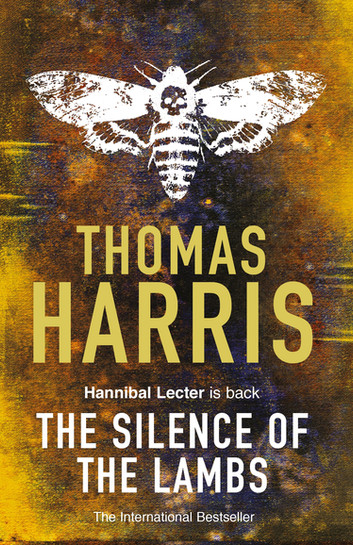
Again, does Hannibal Lecter and Clarice Starling need any more introduction? Hannibal’s not just had movies with him in, there’s also been a television show. And while it was short-lived, there was also a Clarice show for a time.
But then again, there have been TikTok’s going around recently where young people were surprised by the twist ending of the The Sixth Sense, so maybe those young people need a recounting of the story that doesn’t look like a Wikipedia entry, if young people even still read blogs anymore.
There’s no exact timeline, but the reader knows that The Silence of the Lambs happens after the events of Red Dragon — there’s a mention of Will Graham ending up an alcoholic — and the readers have a new character to follow, Clarice Starling.
Unlike Will Graham, Clarice is not a special investigator. She’s just an FBI cadet, who should be woefully unprepared to take on such a daunting task like interviewing Hannibal Lecter. But as it turns out, there is more to her than meets the eye and she proves that she’s able to withstand a session with Hannibal.
While ostensibly interviewing Hannibal for an FBI study, Clarice is really there to seek the help of Hannibal in catching Buffalo Bill, a serial killer who has been killing women and flaying them for reasons still unclear to the FBI. However, Hannibal is asking for details of Clarice’s life in return, details that Hannibal could use to make her end up like Will Graham. Will Clarice give him the details that he wants…and will it be enough to save Buffalo Bill’s latest target?
I started reading this immediately after finishing Red Dragon and it definitely felt familiar, like the pillow you’ve kept with you for so long even if its lost all its shape and isn’t comfortable anymore. There’s still the same sparseness with the prose and the generous use of periods that sometimes give the paragraphs a stilted quality. Again, for someone like me who likes his prose a little on the purple side, it’s not the most exciting thing to read but it fits the subject matter it’s tackling.
What’s new is Clarice Starling and the different challenges she has to face when compared to Will Graham. Clarice is a trainee, Will is a special investigator. Clarice is a woman, Will is a man. This was written in 1988, and while I barely remember those times — I was still in the single digits — the sexism in it seems period accurate enough from what I remember from my lived experience and from the media at the time.
These new challenges prevent Clarice from becoming just another Will Graham retread and makes her a compelling character to follow. And as a fellow pewr, I also related to Clarice’s insecurities about her status, especially when she meets Senator Martin after Chilton botched her efforts to get more information about Buffalo Bill from Lecter.
Chilton is also a much more despicable character here than from what I remember even from the movie, which I guess is a good thing because you’re meant to despise him. I do wish the comeuppance was on the page though.
However, just like Red Dragon, my view of the book has definitely been colored by the media this is connected with, and I don’t know if this is a popular opinion or not but I think the movie may have done some things better than the book. It certainly streamlined the connection between Benjamin Raspail and Jame Gumb, I also think the movie did a better job at maintaining Hannibal’s mystique. Because Hannibal plays a bigger part in this book than he did in the first one, we get to be in his head more and Thomas Harris doesn’t always succeed in maintaining the Hannibal mystique, so to speak.
The limitations of Thomas Harris’ style are also on full display when the book gets into its more action-packed sequences. The whole sequence where Clarice and Jame Gumb are trying to find each other in the dark has its highs and lows. At certain points I really could feel the tension but then there were moments where Harris’ sparse sentences really just bogged down the scene.
I also was not a fan of the Scooby Doo explanation at the end of Jame Gumb’s life. I know he did a similar thing in Red Dragon when explaining how Dolarhyde managed to “resurrect” from the dead to attack Will and his family, but it reads even clunkier in this book than it did back then.
All that said, I don’t know what I’d think of the book if it was the first thing I discovered and not the Jonathan Demme film, which is why I think people shouldn’t be discouraged from reading this book, especially if they haven’t watched the movie adaptation before.
 Ron Does Stuff
Leave a comment